The Student Housing Gen Z Actually Wants (Not the Rooftop Pool)
Developers keep building student housing around lazy rivers and cinema rooms. The data, and a generation, say the things that matter are quieter, cheaper, and much harder to fake.
The days when student housing was just a room with a bed are long gone.
Chasing the Wrong Amenities
For close to a decade now, purpose-built student housing has competed on spectacle: rooftop pools, golf simulators, screening rooms, climbing walls. It photographs well for the brochure. The trouble is that when you actually ask students what they value, the answer keeps coming back a lot less glamorous than a lazy river.
The 2025 industry data doesn't leave much room for interpretation. Students consistently rank reliable places to study above flashy amenities, and developers are being told, plainly, to put the former ahead of the rooftop-pool arms race (StarRez, 2025). (StarRez, 2025).
A lazy river isn't what fills a building, or keeps someone living in it. The quieter things are.
Who Gen Z actually is
It helps to be precise about who's actually living in these buildings. Most of today's student body is Generation Z, born somewhere between 1996 and 2010: the most educated generation on record, digitally native from birth, and considerably more willing than the generations before it to say what it wants. Our own read on this, worked out in the student-housing chapter of The Revival (Ninković, 2023), is that Gen Z is asking for four things at once. Spaces they actually find attractive. Room to socialise and to be themselves. Wellbeing and inclusion treated as a given, not a perk bolted on afterward. And the flexibility to work, rest and create without leaving the same room. None of that is a request for luxury. It's a request for a place that can hold an entire life.
Four things that actually matter
Strip the marketing away and the priorities hold steady across almost every study.
Somewhere good to study, first and always. Not a desk wedged into the corner of a bedroom, but real study settings, quiet rooms, group rooms, something closer to a library, treated as the core amenity rather than an afterthought, because it's the one thing every resident actually uses every single day.
Then autonomy and privacy. The clearest shift in the data is toward more control over your own space: private bathrooms and apartment-style layouts are increasingly preferred over the old shared-bath corridor model. Students want somewhere that is unambiguously theirs to retreat into.
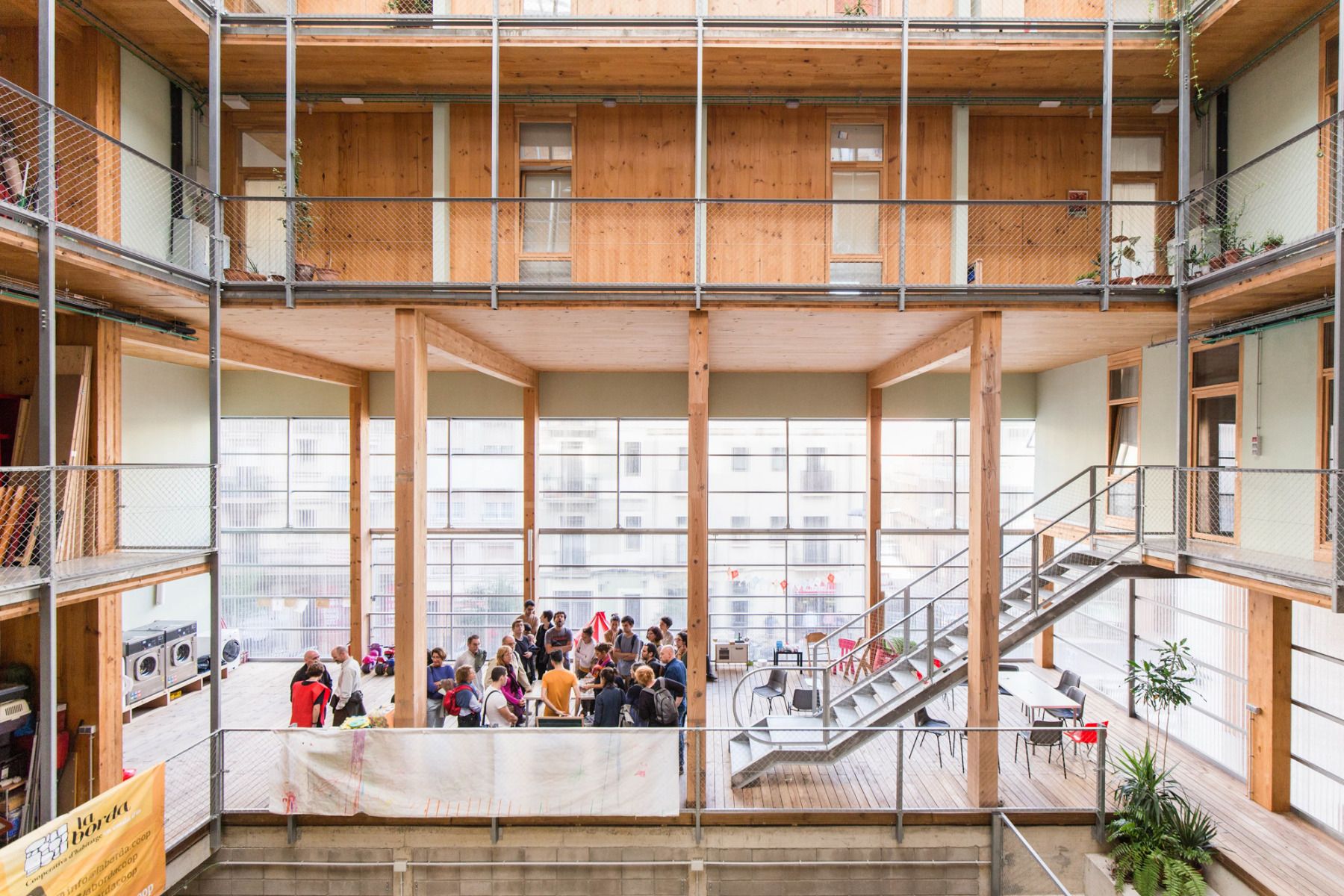
Genuine community is the hardest one to deliver and the most valuable when it works. Students want to belong somewhere, but belonging can't be purchased with a games room. It has to be designed into the ordinary paths people walk every day: the shared kitchen, the stair, the threshold where people actually cross.
And finally, affordability and wellbeing, which increasingly decide everything else. The sector is visibly splitting into winners and losers on exactly these terms (LD Events, 2025).
Notice that three of the four are about the space between the rooms, not the amenity bolted on top.
Designing community without forcing it
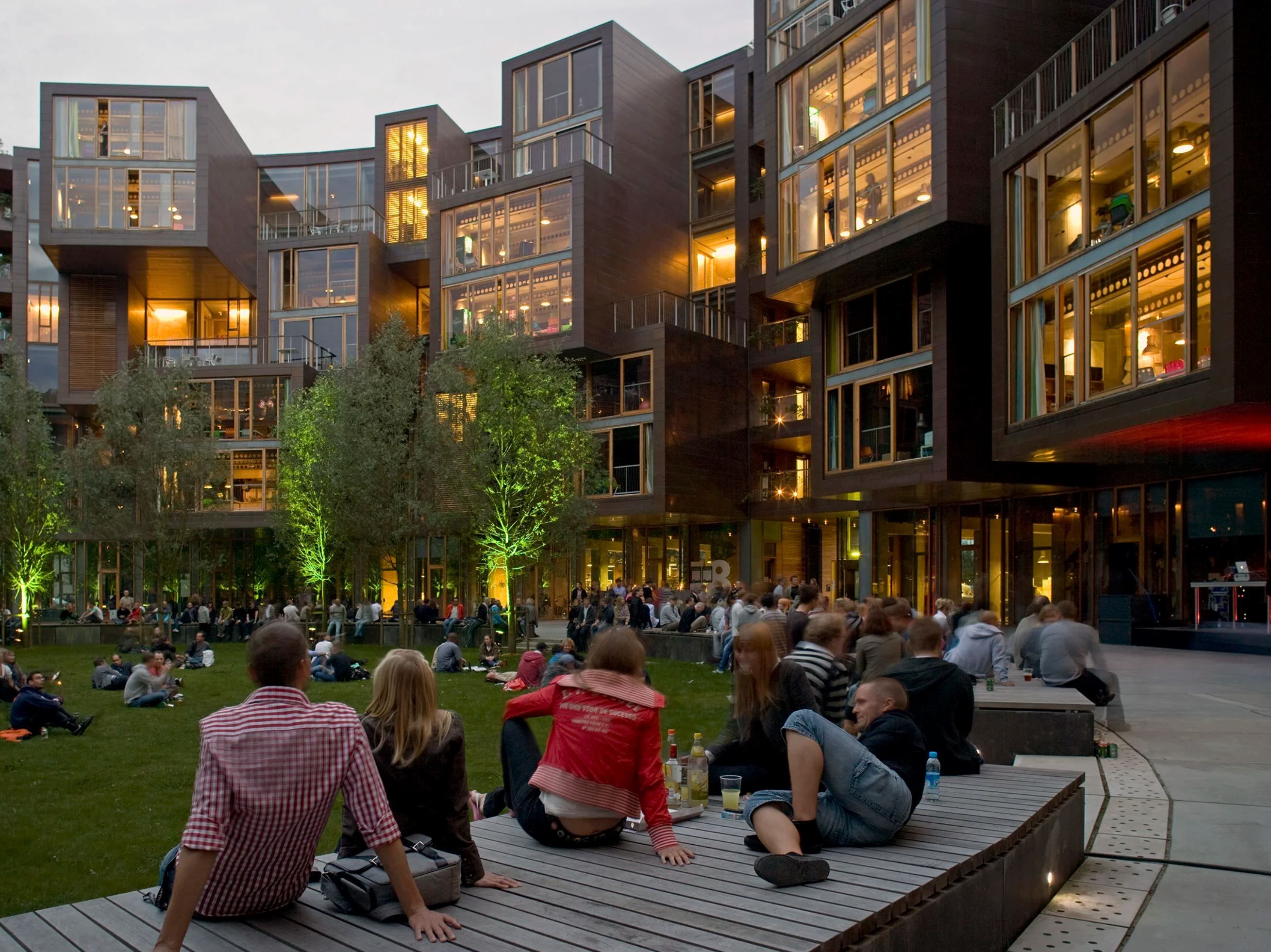
Community is the thing every developer claims and almost nobody actually designs for. The lesson we keep taking from the best precedents, Copenhagen's Tietgen Residence Hall chief among them, is that it comes out of the ordinary in-between spaces, not a marketed "social zone." Tietgen organises student life around one shared circular courtyard, so that community and individuality end up reinforcing each other instead of competing: private units project outward with their own bays and terraces, while the daily paths keep pulling everyone back toward the middle.
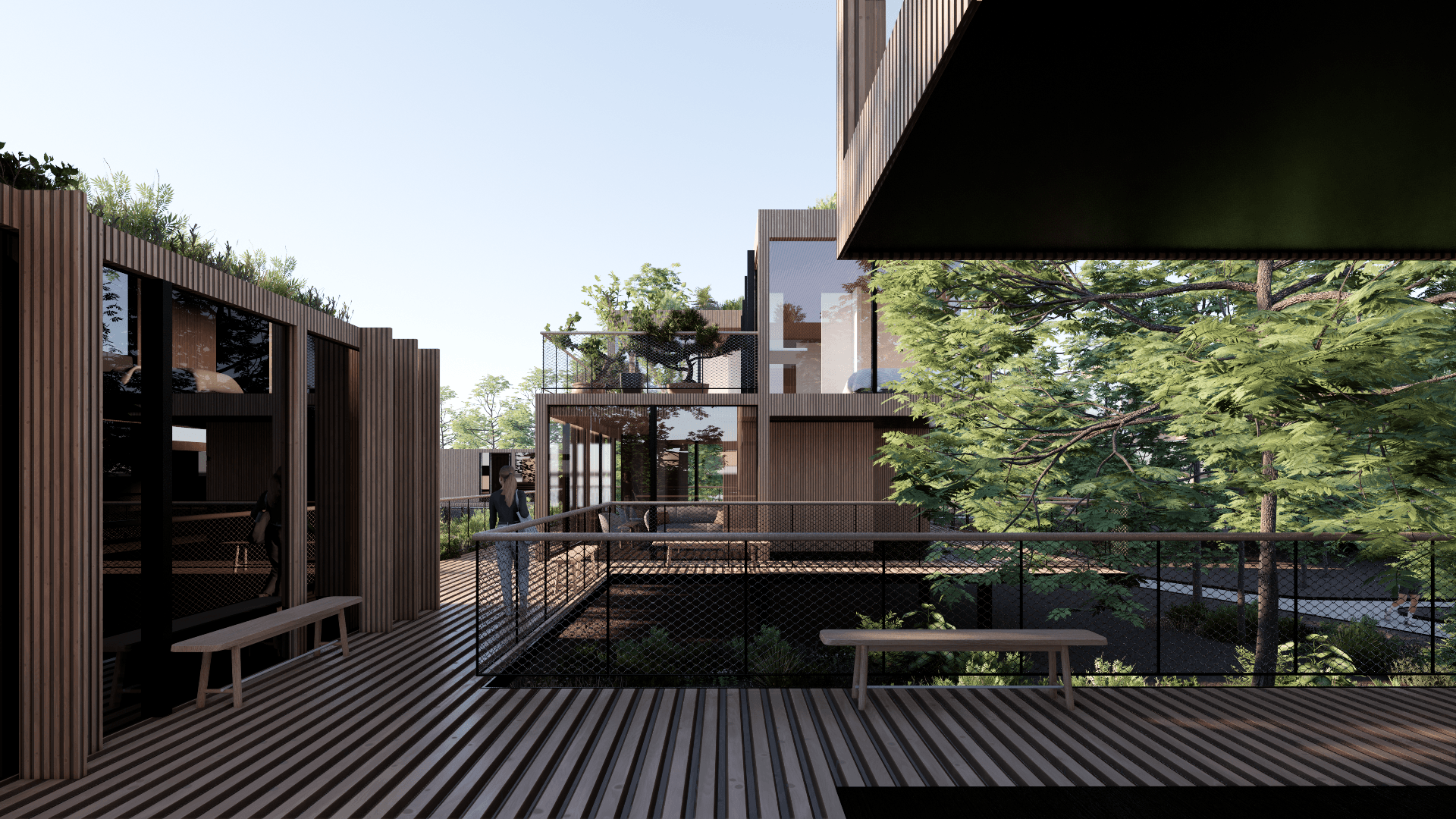
It's the same logic we use for public space generally: between the fully private room and the fully public entrance, there should be a graded series of semi-private thresholds, a shared kitchen, a wide stair, a lounge that happens to catch the afternoon sun. Get that gradient right and belonging tends to take care of itself. Get it wrong, a corridor of identical doors, and no amenity on earth will save it.
Rooms that adapt to a life
Gen Z lives, works, studies and socialises in overlapping ways, often within the same handful of square metres. That argues for rooms that can be more than one thing without a renovation: a desk that by day is a desk, and by evening becomes the backdrop to a video call, a study session, or friends dropping by. The student-housing chapter of The Revival makes the case that in rooms where the budget for physical change is basically zero, the flexibility that actually matters is functional, not mechanical: a well-proportioned, loosely defined room a resident can put to uses the architect never specified.
Sustainability and value are not optional
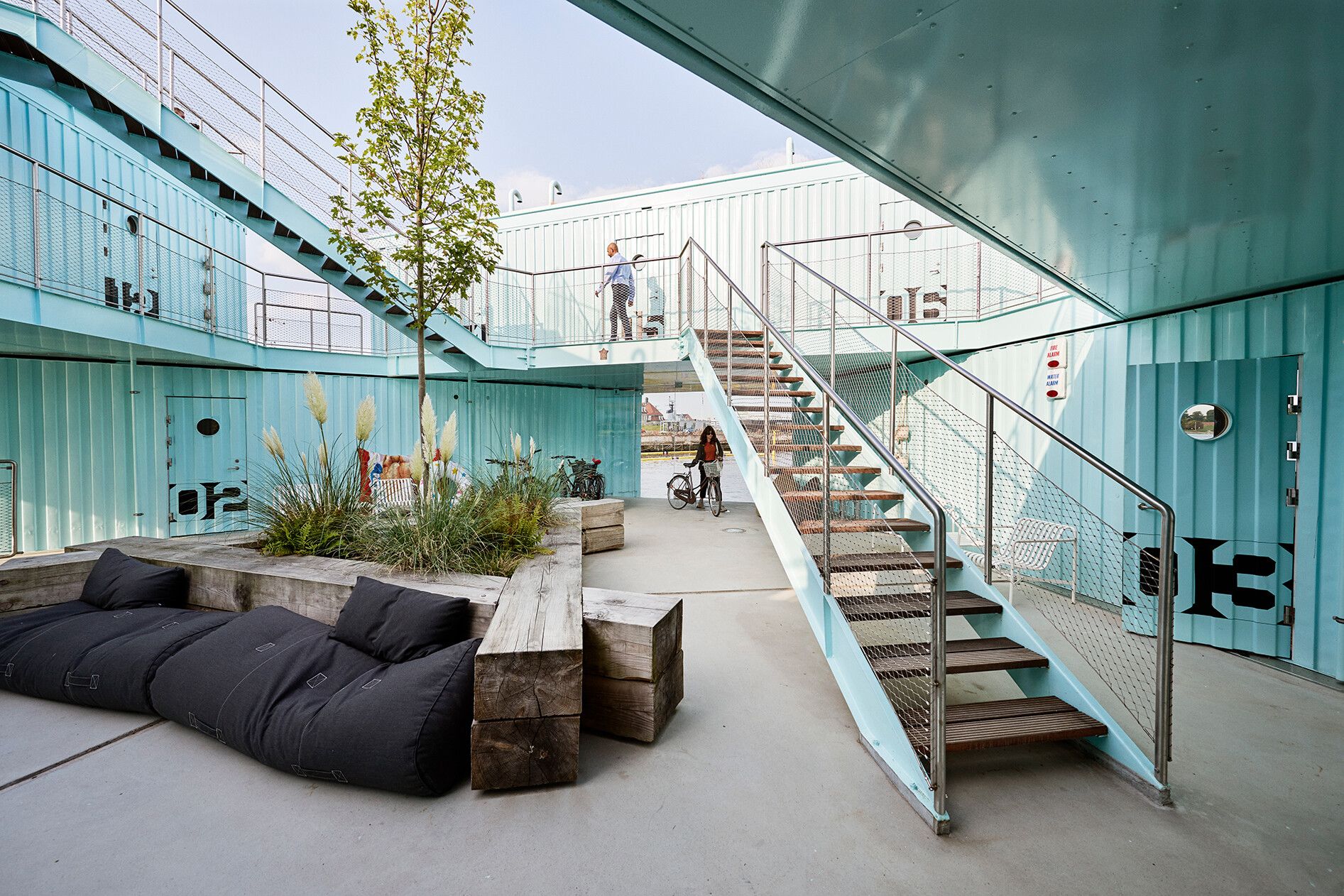
For this generation, environmental credibility reads less like a bonus and more like a baseline expectation. Conveniently, it also lines up with the economics. Projects like BIG's Urban Rigger, student housing built from upcycled shipping containers floating on Copenhagen's harbour, or Barcelona's La Borda, a resident-run cooperative organised around one shared covered courtyard, make the case that affordability, sustainability and a strong sense of community don't have to compete with each other. Sometimes they're the same design decision.
Why this pays a client back
None of this is the soft stuff it might sound like. Belonging and wellbeing are exactly what the 2025 data ties to student success, and by extension to occupancy and retention in a market that's getting more selective every year. A building that makes students feel like they belong somewhere will outperform one with a slightly better gym. The amenity arms race is expensive, and depressingly easy for the next developer to copy. A genuinely well-made sense of community costs less to build, and is nearly impossible to replicate from a brochure photo.
How we approach it
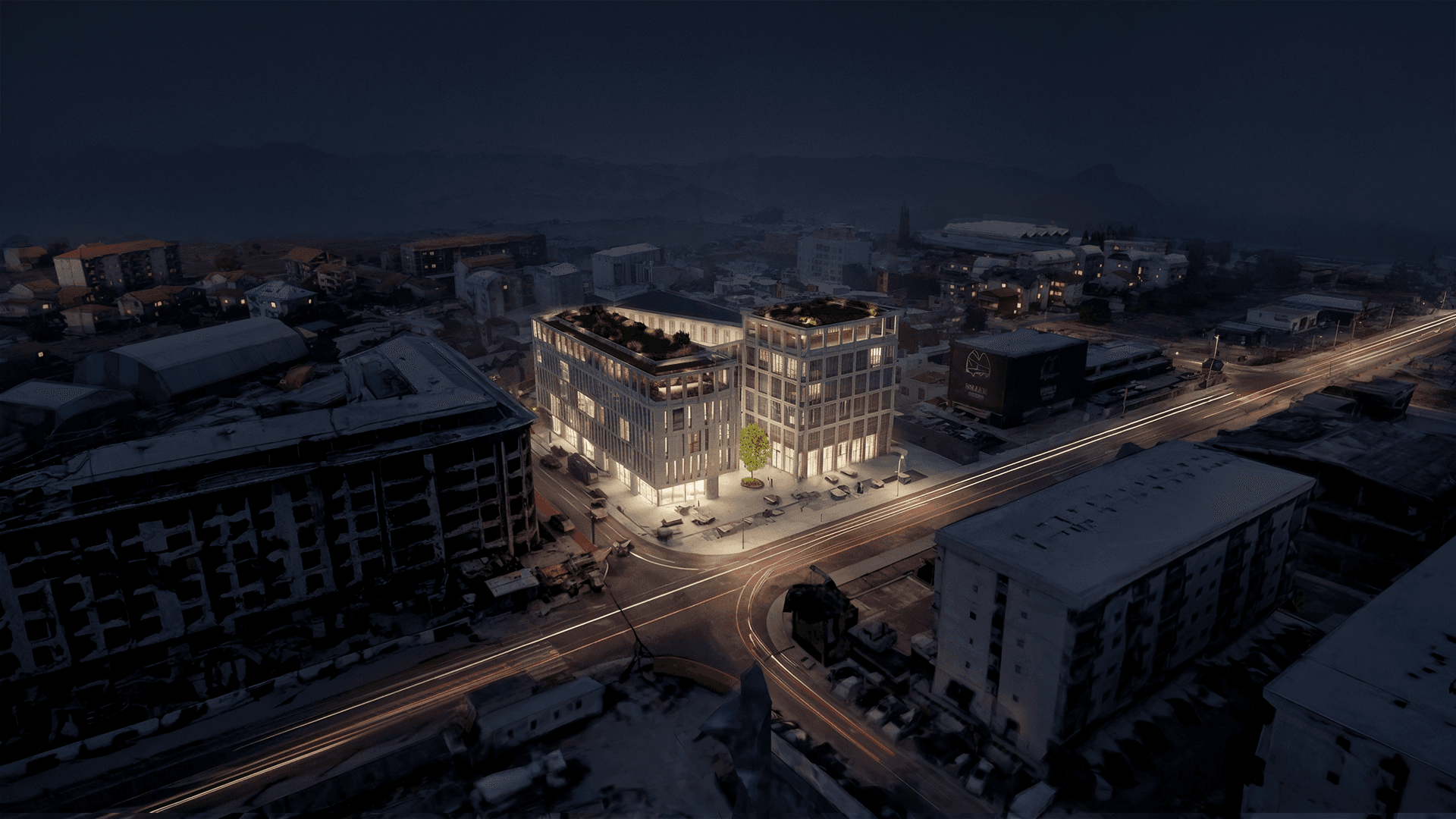
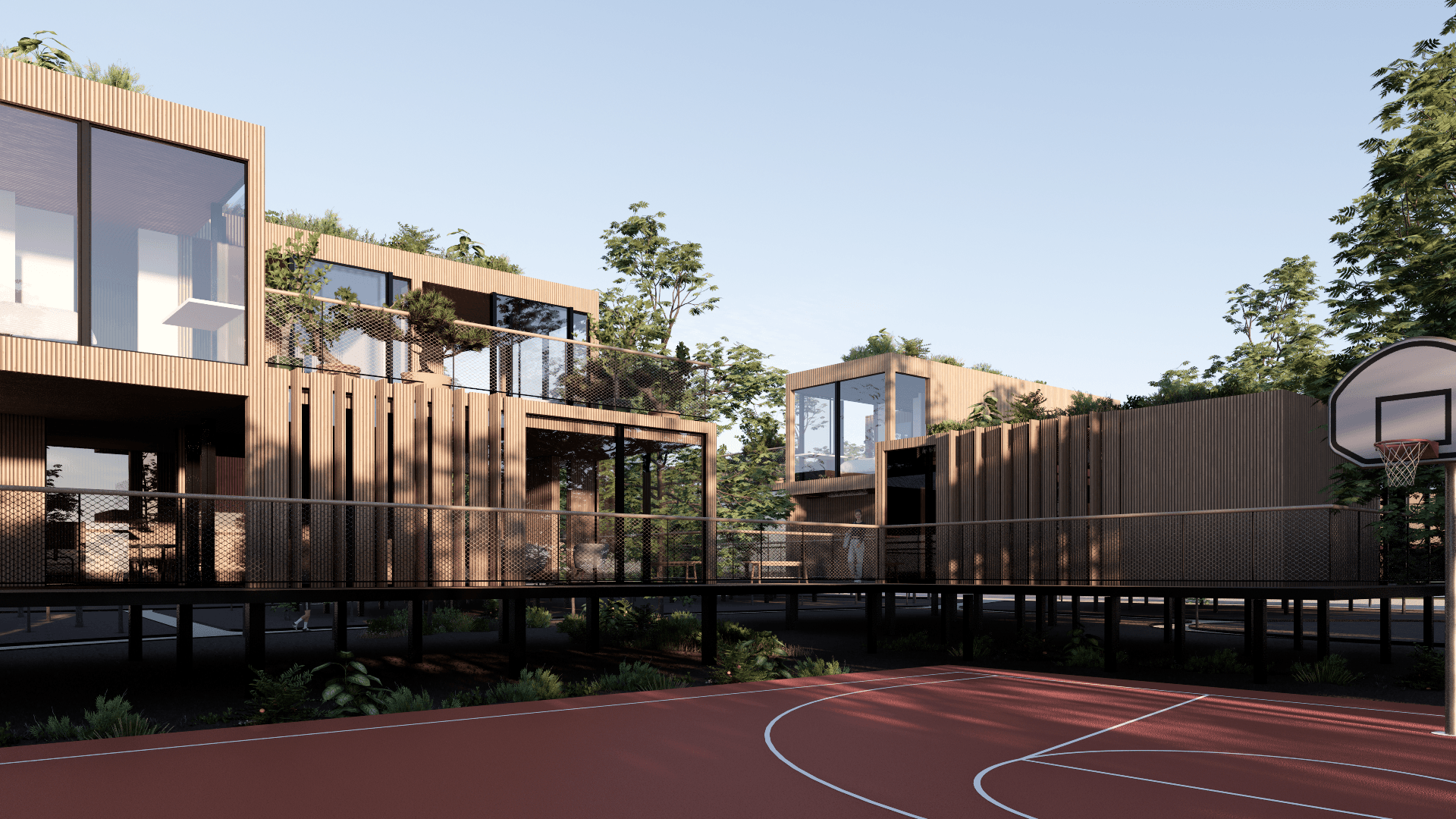
At KLMN we design student housing as a gradient of privacy, not a stack of identical rooms. That's the thinking behind the fragmented, atrium and combined housing types we developed for Poveglia, each one giving residents a different balance between having their own piece of the outside and sharing ground with everyone else. The room itself is the easy part. The architecture lives in everything between the rooms, which, not coincidentally, is exactly what students keep saying they want.
References
- Ninković, K. (2023). The Revival: Poveglia’s Identity as Self-Sustaining University Campus.
- Gen Z student-housing expectations: StarRez, 2025 — What Gen Z renters expect; LD Events — why PBSA must evolve (2025).
- Precedents: Tietgen Residence Hall (Lundgaard & Tranberg); Urban Rigger (BIG); La Borda (Lacol).
- Generational context: Pew Research Center on Gen Z; Business Insider (Pandurangi, 2023); Unite Group (Yabut, 2022).
- Concepts: third place, student housing, gen z, the existing as resource.